
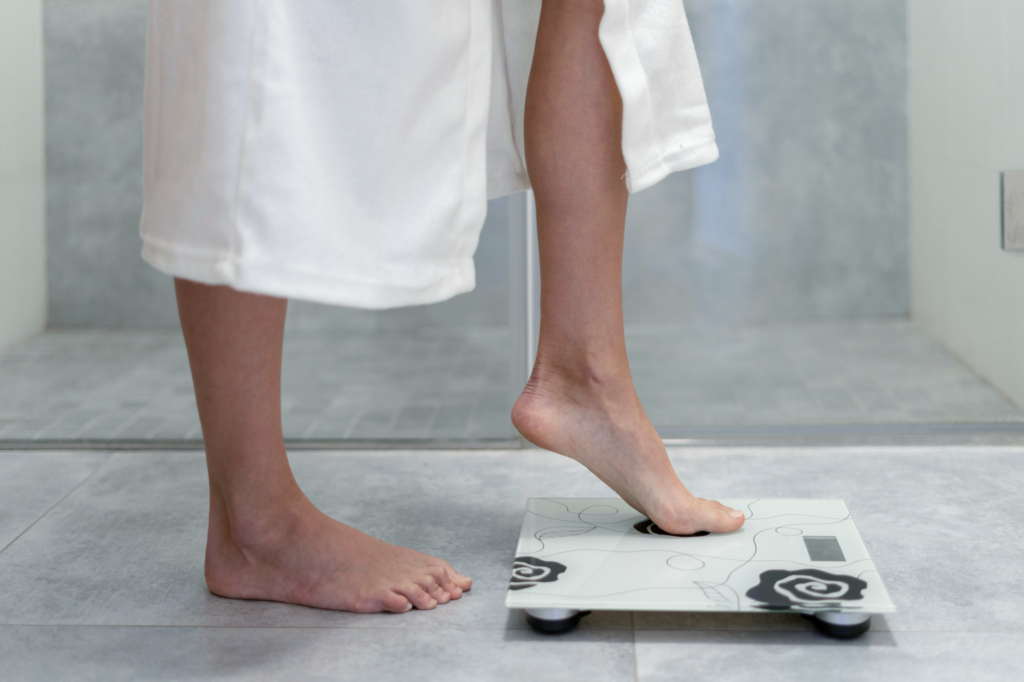
Starting a GLP-1 medication can bring noticeable changes in appetite, eating habits, and weight. For many patients, the first several months feel encouraging because progress is easy to see. Then, at some point, the scale may stop moving as quickly.
That does not always mean the medication has stopped working.
Weight loss plateaus are common with obesity treatment. As the body loses weight, it adapts. Energy needs may decrease, hunger signals can change, and the rate of weight loss may naturally slow over time. In a long-term semaglutide trial, average weight loss eventually leveled off and was largely maintained with continued treatment.
So, what should you focus on when the scale slows down?
Look Beyond the Number on the Scale
Weight is only one way to measure progress.
Patients may also notice changes in waist circumference, clothing fit, energy levels, blood sugar, blood pressure, or overall mobility. These improvements can still matter even during a period when body weight is changing more slowly.
A plateau can be a good time to shift the focus from how fast the weight is coming off to how your overall health is changing.
Take a Closer Look at Nutrition
GLP-1 medications can significantly reduce appetite, so patients may be eating much less than before starting treatment.
When you are eating less, what you eat becomes even more important. Meals that include adequate protein, fiber, fluids, and nutrient-dense foods can help support energy, muscle mass, digestion, and overall wellness.
A plateau may be a good reason to check in with your healthcare provider about whether your current eating habits still support your goals.
Do Not Forget About Strength
As body weight decreases, some lean muscle can be lost along with body fat. Preserving muscle is important because muscle supports strength, mobility, and metabolic health.
Resistance training, regular movement, and adequate protein may all be important parts of a comprehensive weight loss plan. The goal is not simply to make the number on the scale smaller. It is about supporting a healthier body composition and long-term function.
Review Your Routine
Over time, small habits can change without us noticing.
Portion sizes may begin to increase, movement may decrease, sleep may become less consistent, or hydration may fall off. None of these automatically explain a plateau, but they are worth reviewing.
Instead of making drastic changes, look at your routine as a whole. Small adjustments may be more sustainable than a complete overhaul of your plan.
Talk With Your Healthcare Provider
A weight loss plateau is also a good time to check in with your healthcare provider.
Your provider can review your progress, current medication dosage, nutrition, activity, side effects, and overall health goals. In some cases, the treatment plan may need to be adjusted. In others, maintaining the weight you have already lost may itself be an important sign that treatment is still helping.
Current weight loss medication guidelines specifically note that a plateau should not automatically be viewed as treatment failure or a reason to stop medication.
Progress Does Not Have to Be Linear
Weight loss rarely happens at the same pace from beginning to end. Some weeks bring bigger changes, while others may bring very little movement at all.
The most important thing is to look at the bigger picture.
A GLP-1 medication is one tool within a broader plan that may also include nutrition, movement, sleep, follow-up care, and long-term weight maintenance. If your progress begins to slow, it may simply be time to reassess your goals and focus on the habits that support your health beyond the scale.
At Ivy, we believe patients should feel informed and supported throughout their weight loss journey. If you have questions about your medication or compounded weight loss options, our team is here to help.