
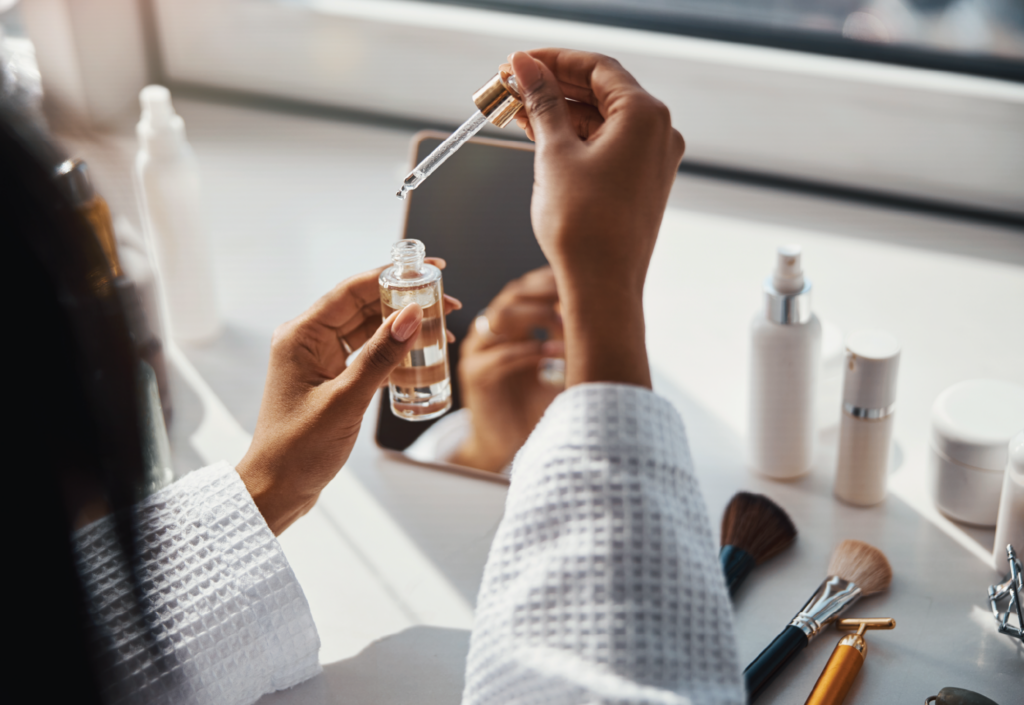
As the weather changes, your skin can change with it. Cooler temperatures, lower humidity, indoor heating, and less time in the sun can all affect how your skin looks and feels during fall and winter.
A skincare routine that worked well during the summer may not provide the same results once the seasons change. Paying attention to changes in dryness, sensitivity, texture, or irritation can help you adjust your routine before small concerns become bigger problems.
Why Does Skin Feel Drier in Fall and Winter?
Cold outdoor air typically holds less moisture, while indoor heating can make the air inside your home even drier. Together, these changes can pull moisture from the skin and weaken its natural barrier.
You may begin to notice:
- Dry or flaky patches
- Tightness after washing your face
- Increased redness or irritation
- Rougher skin texture
- Cracked lips or dry hands
Even patients who normally have oily or combination skin may experience seasonal dryness.
Your Summer Routine May Need an Update
During warmer months, many people prefer lightweight moisturizers and products designed to manage oil, sweat, or sun exposure. As temperatures drop, your skin may need more hydration and fewer products that can contribute to dryness.
This does not mean completely changing your routine. Small adjustments, such as using a more moisturizing cleanser or adding a richer moisturizer, may be enough to help your skin adapt.
If you use prescription dermatology medications, talk with your healthcare provider before making changes to how often or how much you use.
Be Careful With Over-Exfoliating
Dry, flaky skin can make it tempting to exfoliate more often, but too much exfoliation may actually increase irritation.
Products containing acids, scrubs, retinoids, or other active ingredients can be beneficial when used appropriately, but the skin may become more sensitive to them during colder months.
If your skin suddenly becomes red, irritated, or uncomfortable, it may be worth reviewing your routine with your healthcare provider rather than simply adding more products.
Do You Still Need Sunscreen in Winter?
Yes. Sun protection is still important during fall and winter, even when temperatures are cooler or the sky is cloudy.
UV exposure does not disappear when summer ends. Daily sunscreen can continue to help protect the skin from sun damage and support the results of other skincare treatments throughout the year.
When Should You Talk to Your Healthcare Provider?
Seasonal dryness can often be managed with simple changes, but persistent irritation, acne, discoloration, or other skin concerns may require a more personalized approach.
Not every patient responds to the same skincare ingredients or concentrations. Your healthcare provider may recommend a prescription treatment based on your skin type, symptoms, and goals.
In some cases, a compounded dermatology medication may allow for a customized strength, combination of ingredients, or formulation designed specifically for your skin.
Give Your Skin What It Needs This Season
Your skin does not stay exactly the same throughout the year, and your skincare routine does not have to either. Paying attention to seasonal changes and making thoughtful adjustments can help keep your skin comfortable and supported through the colder months.
At Ivy, we work closely with healthcare providers to prepare customized dermatology medications based on each patient’s individual prescription and needs.
If you have questions about a compounded dermatology medication or prescription skincare, our team is here to help.